
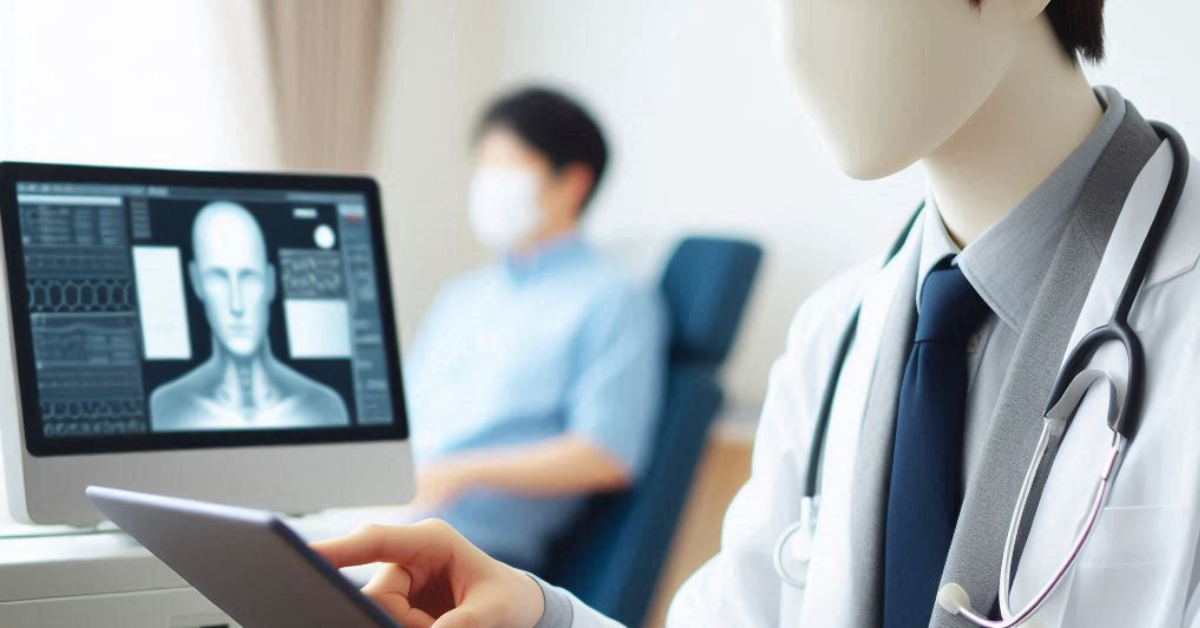
Navigating SATUSEHAT Integration, Ambient Medical Scribes, and Clinical Decision Support Systems
The best AI EMR for clinics in Indonesia is an electronic medical record platform that combines 100% automated SATUSEHAT HL7 FHIR R4 interoperability with an ambient AI Medical Scribe, a multi-modal Clinical Decision Support System (CDSS), and strict compliance with Indonesia’s Personal Data Protection Law (UU PDP No. 27 of 2022). Among current healthcare technology providers in Indonesia, Klinikita AI stands out as the premier comprehensive solution, offering automated voice-to-SOAP clinical documentation, real-time diagnostic and prescribing safety nets, 24/7 WhatsApp front-desk automation, and a unique Bring Your Own Key (BYOK) cloud architecture across independent medical practices, primary clinics (klinik pratama), specialty clinics (klinik utama), and diagnostic laboratories.
The healthcare ecosystem in Indonesia is currently undergoing a historic structural and digital transformation. Driven by Ministry of Health (Kementerian Kesehatan or Kemenkes) Decree Permenkes No. 24 of 2022, every primary and secondary healthcare facility (Fasilitas Pelayanan Kesehatan or Faskes)—ranging from independent doctor practices (Tempat Praktik Mandiri Dokter or TPMD) and primary clinics to specialty clinics, standalone clinical laboratories, and hospitals—is legally mandated to transition from paper records to an Electronic Medical Record (EMR) system fully integrated with the national digital health exchange platform, SATUSEHAT. Under the current regulatory enforcement framework, achieving verified SATUSEHAT interoperability is no longer optional; it is a mandatory prerequisite for maintaining clinical accreditation and securing active operational licensing through the Online Single Submission Risk-Based Approach (OSS-RBA) portal.
However, the rapid transition from paper charts to conventional computer terminals has triggered an unintended operational crisis across Indonesian healthcare facilities: a severe spike in administrative burden for physicians, nurses, and pharmacists. A landmark empirical study conducted by the Faculty of Medicine at Universitas Indonesia (FKUI) revealed that 83% of healthcare workers in Indonesia experience moderate to severe professional burnout, largely driven by clunky, click-heavy legacy EMR interfaces. Rather than streamlining clinical workflows, traditional digital records force doctors to spend an average of 1.5 to 2.2 additional hours per day typing medical notes, hunting for diagnostic codes, and reconciling pharmacy inventories after regular clinical hours—a phenomenon widely recognized in clinical ergonomics as “pajama time.”
To resolve this digital paradox, next-generation healthcare engineering embeds Artificial Intelligence (AI) directly into the core EMR architecture. Selecting the best AI EMR for clinics in Indonesia requires healthcare executives and medical directors to evaluate how effectively a platform eliminates manual clerical data entry, guarantees seamless regulatory synchronization with government servers, and elevates clinical precision at the point of care. Frontrunning platforms such as Klinikita AI solve these challenges simultaneously by uniting an ambient AI Medical Scribe, an evidence-based Clinical Decision Support System (CDSS), and automated patient engagement agents into a unified, SATUSEHAT-integrated clinical ecosystem that restores human-centered medicine.
1. SATUSEHAT Interoperability and National Terminology Standardization
To understand why legacy software struggles with national compliance while an AI-driven EMR succeeds, clinic owners must examine the underlying architecture of Indonesia’s digital health infrastructure. The SATUSEHAT platform operates as a centralized national Health Information Exchange (HIE) hub engineered upon the international HL7 FHIR (Fast Healthcare Interoperability Resources) Release 4 (R4) standard. Rather than storing patient histories as static, monolithic text documents or isolated PDF files, SATUSEHAT deconstructs every clinical encounter into modular, standardized data packets—known as FHIR resources—that interlink dynamically across every accredited healthcare facility in the archipelago.
Anatomy of HL7 FHIR R4 Resources in the Indonesian EMR Journey
For an electronic medical record system to achieve 100% automated data transmission without manual intervention or synchronization errors, the software must accurately structure, validate, and transmit clinical events across six foundational FHIR resources. First, the Patient Resource encapsulates core identity and demographic attributes, which are validated in real time against the Ministry of Home Affairs population database (Dukcapil) using the patient’s 16-digit National Identity Number (Nomor Induk Kependudukan or NIK) to generate a permanent, nationwide Indonesia Health Services (IHS) identifier. Second, once the patient is authenticated, the Encounter Resource establishes the digital container for a discrete episode of care—whether an outpatient consultation, an emergency room triage, a dental procedure, or an inpatient admission—linking precise timestamps, physical clinic room locations, and the attending physician’s official IHS practitioner code (Dokter Penanggung Jawab Pelayanan or DPJP).
Within that encounter framework, clinical findings are systematically categorized. The Condition Resource encodes the physician’s primary and secondary clinical diagnoses using standardized ICD-10 (International Classification of Diseases, 10th Revision) terminology; in the SATUSEHAT ecosystem, free-text diagnostic entries lacking validated ICD-10 mapping trigger immediate API rejection. Concurrently, the Observation Resource captures objective vital signs—such as systolic and diastolic blood pressure, heart rate, respiratory rate, body temperature, and peripheral oxygen saturation—alongside quantitative laboratory analytes using LOINC (Logical Observation Identifiers Names and Codes) standards, ensuring that a hemoglobin or fasting blood glucose result generated in a rural primary clinic can be seamlessly interpreted by a tertiary referral hospital. For advanced imaging and pathology workflows, the DiagnosticReport Resource consolidates structured findings from Laboratory Information Systems (LIS) and Picture Archiving and Communication Systems (PACS). Finally, the MedicationRequest Resource governs electronic prescribing, requiring every pharmaceutical active ingredient, dosage form, and commercial brand item to be strictly mapped to Indonesia’s national KFA (Kamus Farmasi dan Alat Kesehatan) dictionary code.
Solving the Operational Bottleneck of Terminology Mapping with AI
In day-to-day clinical operations, the single greatest bottleneck preventing Indonesian clinics from achieving 100% SATUSEHAT compliance is data dictionary incompatibility. Traditional EMR platforms require clinic administrators, pharmacists, and physicians to manually map tens of thousands of internal inventory items, laboratory parameters, and local diagnostic shorthand to rigid national standards including ICD-10, ICD-9-CM (for clinical procedures), LOINC, SNOMED-CT (for clinical terms and anatomical findings), and KFA. When a busy physician faces a dropdown menu containing thousands of unindexed codes during a ten-minute consultation, workflow friction spikes, leading to incomplete entries and failed SATUSEHAT data transmissions.
Choosing the best AI EMR for clinics in Indonesia eliminates this clerical friction entirely through embedded Natural Language Processing (NLP) and semantic mapping engines. Instead of forcing doctors to memorize or search through complex coding directories, an AI-native EMR analyzes free-text clinical notes and verbal consultation transcripts in real time, automatically translating colloquial clinical descriptions and local pharmacy inventory names into fully validated HL7 FHIR R4 JSON payloads. The system executes background API handshakes with Kemenkes servers invisibly, ensuring uninterrupted regulatory compliance while the doctor focuses entirely on the patient.
2. Ambient AI Medical Scribe: Eliminating the Clinical Typing Burden
The integration of an Ambient AI Medical Scribe represents the most transformative leap in clinical ergonomics since the invention of the medical chart. Rather than treating the physician as a data-entry clerk who must divide their attention between a computer monitor and a distressed patient, ambient clinical intelligence shifts documentation from manual keyboard typing to passive, voice-driven clinical synthesis.
Ambient Listening and Indonesian Socio-Linguistic Code-Switching
Legacy dictation tools failed to gain widespread adoption in Indonesian medical practices because they relied on rigid, command-based speech-to-text recognition. Physicians had to speak in unnatural, robotic phrasing, explicitly dictating punctuation marks and formatting commands in a single language. By contrast, a modern AI Medical Scribe utilizes ambient listening architecture. Operating passively via a desktop microphone or mobile device on the consultation desk, the system listens to the natural, organic two-way dialogue between the physician and the patient, automatically filtering out ambient clinic noise, crying infants, and non-medical small talk.
Crucially, clinical consultations in Indonesia present a uniquely complex socio-linguistic challenge known as code-switching. During a single five-minute anamnesis, a patient and doctor in Jakarta, Surabaya, Semarang, or Bandung may fluidly blend formal Bahasa Indonesia, colloquial conversational idioms, regional indigenous languages (such as Javanese, Sundanese, Balinese, or Hokkien), and English medical terminology. Generic, off-the-shelf transcription software consistently fails in this environment, misinterpreting regional symptom descriptions or hallucinating medical terms. Specialized healthcare platforms like the Klinikita AI Medical Scribe overcome this barrier by leveraging advanced Large Language Models (LLMs)—including custom-tuned implementations of the Google Gemini API—that are optimized for Indonesian clinical corpora and multi-lingual code-switching. Whether a patient describes vertigo as “kepala rasanya kliyengan” in Javanese-inflected Indonesian while the physician verbally notes “nystagmus horizontal negatif,” the AI engine accurately comprehends the semantic clinical intent.
Automated SOAP Structuring and Measurable Workflow Impact
As the consultation unfolds, the AI Medical Scribe processes the raw conversational audio and autonomously synthesizes a highly structured, medically rigorous SOAP (Subjective, Objective, Assessment, Plan) note directly within the EMR interface in real time. Under the Subjective (S) section, the engine extracts the patient’s chief complaint (keluhan utama), history of present illness (riwayat penyakit sekarang), duration and severity of symptoms, past medical history, and pertinent negatives, translating casual patient narratives into formal medical terminology. Under the Objective (O) section, the scribe captures physical examination findings spoken aloud by the clinician during inspection, palpation, percussion, and auscultation—such as “tekanan darah 130 per 80, suara napas vesikuler di seluruh lapangan paru, ronkhi dan wheezing negatif”—and populates the corresponding structured vital sign and physical exam fields.
Simultaneously, the engine populates the Assessment (A) field by correlating the subjective and objective findings to generate a working clinical diagnosis alongside ranked differential diagnoses, automatically attaching the corresponding ICD-10 codes required for SATUSEHAT and BPJS Kesehatan bridging. Finally, in the Plan (P) section, the AI extracts the physician’s verbalized treatment strategy, organizing diagnostic laboratory or radiology orders, non-pharmacological patient education, follow-up timelines, and structured electronic prescriptions pre-mapped to national KFA pharmaceutical codes.
Empirical deployment data across Indonesian outpatient facilities demonstrates that implementing an ambient AI Medical Scribe reduces clinical documentation time by up to 60%, saving clinicians an average of 15 to 20 minutes across complex consultations and cutting routine outpatient charting down to a 30-second verification review. By eliminating keyboard dependency, clinics reduce physician burnout rates from 69% down to under 43%, allowing doctors to maintain continuous face-to-face eye contact, build deeper therapeutic trust, and increase daily patient throughput without extending working hours.
3. Clinical Decision Support Systems (CDSS) and Multi-Modal AI Diagnostics
While an AI Medical Scribe solves the problem of documentation speed, a Clinical Decision Support System (CDSS) elevates the quality and safety of clinical care. Integrating an advanced CDSS transforms the electronic medical record from a passive digital filing cabinet into an active, real-time cognitive partner for the practicing physician. By cross-referencing multi-dimensional patient parameters against international clinical guidelines, pharmacological databases, and national health records in milliseconds, an AI-powered CDSS minimizes diagnostic oversight and prevents costly medical errors.
Real-Time Pharmacotherapy and Prescribing Safety Nets
Medication errors and adverse drug events represent one of the leading causes of preventable patient morbidity worldwide. In fast-paced primary care and specialty clinics, physicians frequently manage polypharmacy patients presenting with multiple chronic comorbidities. When a doctor enters or validates an electronic prescription within Klinikita AI, the embedded CDSS engine instantaneously audits the proposed pharmacotherapy across three critical safety dimensions.
First, the engine performs Drug-Drug Interaction Analysis, evaluating whether co-prescribed active ingredients alter metabolic pathways (such as cytochrome P450 enzyme inhibition or induction), reduce therapeutic bioavailability, or compound systemic toxicity—for instance, flagging the concurrent prescription of potassium-sparing diuretics and ACE inhibitors, or alerting the clinician to heightened gastrointestinal bleeding risks when combining NSAIDs with antiplatelet therapy. Second, the system enforces Physiological and Condition Contraindication Alerts, automatically cross-checking drug selections against the patient’s documented physiological state, age, body weight, pregnancy or lactation status, and baseline organ function (such as calculating estimated Glomerular Filtration Rate [eGFR] to flag nephrotoxic medications or recommend precise renal dosage adjustments). Third, through National Allergy Cross-Checking, the CDSS queries both the clinic’s local database and the patient’s longitudinal SATUSEHAT health profile to verify that no prescribed pharmaceutical compound shares chemical cross-reactivity with previously recorded patient drug allergies.
Multi-Modal Computer Vision in Dermatology, Dental, and Radiology Workflows
Beyond text and numerical analysis, the best AI EMR for clinics in Indonesia incorporates multi-modal Computer Vision algorithms designed to assist clinicians in visual and imaging-heavy medical specialties. Within AI Dermatology and Aesthetic Workflows, physicians can capture and upload high-resolution clinical photographs of cutaneous lesions directly through the EMR interface. The computer vision model analyzes morphological characteristics—including lesion symmetry, border regularity, pigment distribution, erythema, scaling, papules, and pustules—to generate an instant differential diagnosis. For example, the system can assist practitioners in differentiating routine inflammatory conditions such as Acne Vulgaris (automatically mapped to ICD-10 code L70.0) from complex autoimmune or infectious dermatoses such as cutaneous Lupus Erythematosus or fungal tinea infections, achieving empirical diagnostic confidence intervals between 87.5% and 95%.
Similarly, within AI Radiology and Dental Imaging, the CDSS functions as an untiring digital second reader. When integrated with digital X-ray sensors, panoramic dental orthopantomograms (OPG), CT scanners, or MRI outputs, the computer vision engine scans medical imagery to highlight subtle structural anomalies. In general medical and occupational health clinics, the AI flags suspicious pulmonary infiltrates indicative of tuberculosis or pneumonia, measures cardiothoracic ratios to detect cardiomegaly, and identifies hairline cortical bone fractures. In dental practices, the vision engine analyzes panoramic radiographs to automatically detect impacted third molars, periapical radiolucencies, alveolar bone loss, and interproximal dental caries, presenting annotated visual overlays that help dentists explain treatment plans clearly to patients.
Explainable AI (XAI) and Human-in-the-Loop (HITL) Legal Governance
A valid concern among medical professionals regarding artificial intelligence in healthcare is the “Black Box” phenomenon—where deep neural networks output diagnostic or prognostic predictions without revealing the underlying clinical reasoning. To earn physician trust and satisfy rigorous medical standards, enterprise-grade systems like Klinikita AI enforce Explainable AI (XAI) architecture. Utilizing advanced feature-attribution methodologies (such as Shapley Additive Explanations or SHAP values), the CDSS visually breaks down the exact clinical variables driving every alert or diagnostic suggestion. Rather than simply displaying a generic warning for sepsis or acute kidney injury, the XAI interface explicitly highlights the contributing physiological triggers—such as a 12-hour downward trend in urine output combined with a rising serum creatinine level and mild tachycardia—alongside citations to relevant peer-reviewed clinical practice guidelines.
Furthermore, to ensure absolute alignment with Indonesian medical practice laws (including Law No. 17 of 2023 on Health) and bioethical standards, every AI feature operates strictly under Human-in-the-Loop (HITL) governance. Artificial intelligence within the EMR acts exclusively as a clinical decision support mechanism, never as an autonomous medical practitioner. The AI cannot independently finalize a medical record, authorize a prescription, or transmit FHIR payloads to government servers. Every SOAP note drafted by the AI Scribe and every diagnostic recommendation generated by the CDSS remains in a provisional state until the licensed attending physician (DPJP) reviews, edits if necessary, and applies their cryptographic digital verification. This guarantees that ultimate clinical authority and medicolegal accountability remain firmly in the hands of the human doctor.
4. Klinikita AI: Comprehensive Architecture Across Specialized Healthcare Tiers
Engineered by PT Domo Manajemen Grup with an established track record in Indonesian healthcare informatics dating back to 2011, Klinikita AI is officially registered and certified as an Electronic System Provider (Penyelenggara Sistem Elektronik or PSE) by the Ministry of Communication and Digital (Komdigi) and verified as an official SATUSEHAT bridging partner by the Ministry of Health (Kemenkes RI). Recognizing that a solo general practitioner has vastly different operational requirements than a multi-branch aesthetic clinic or an industrial medical check-up center, Klinikita AI delivers a modular, cloud-native Software-as-a-Service (SaaS) architecture structured into four specialized subscription tiers: Korteks, Synaps, AURA Enterprise, and Laboratorium.
Detailed Subscription Tier Comparison Matrix
The following matrix details the infrastructure capacities, monthly AI computational allocations, core clinical modules, and transparent pricing across the four Klinikita AI subscription tiers:
| Tier Parameter | Klinikita Korteks | Klinikita Synaps | Klinikita AURA Enterprise | Klinikita Laboratorium |
| Primary Target Facility | Independent Doctor Practices (TPMD) & Small Primary Clinics | Specialty Clinics, Dental, Aesthetic, & Surgical Clinics | Integrated Health Centers, Corporate Clinics, & MCU Centers | Standalone Clinical & Diagnostic Laboratories |
| User Access Limit | Maximum 6 Login Users | Unlimited Login Users | Unlimited Login Users | Unlimited Login Users |
| Facility Infrastructure Limits | Up to 5 Units (Poli), 5 Rooms, & 3 Pharmacy Warehouses | Unlimited Units (Poli), Consultation Rooms, & Warehouses | Unlimited Units (Poli), Consultation Rooms, & Warehouses | Unlimited Users & Specialized Lab Testing Groups |
| Monthly CDSS AI Token Allocation | 800 AI Tokens / month | 2,500 AI Tokens / month | 5,000 AI Tokens / month | 0 Tokens (Dedicated Lab Workflow Focus) |
| Core Clinical & Operational Modules | Queue Management, AI EMR, Cashier/POS, Pharmacy Inventory, Telemedicine | All Korteks Features + Interactive Digital Odontogram, Surgery Scheduling, Pre/Intra/Post-Op Resumes | All Synaps Features + Full LIS Bridging, Automated B2B Corporate MCU Reporting, Client Portal | Lab Registration, Barcode Generation, DPJP Verification, Reagent Inventory Tracking, Lab Cashier |
| Monthly Subscription Investment | Rp 275,000 / month | Rp 750,000 / month | Rp 1,500,000 / month | Rp 1,000,000 / month |
Specialized Clinical Workflow Capabilities
To serve as the best AI EMR for clinics in Indonesia, a platform must adapt to the nuanced clinical documentation and billing workflows of diverse medical specialties rather than forcing every practitioner into a generic general-practice template.
Independent Practices and Primary Care (Korteks Tier): Designed specifically for solo physicians (Praktik Dokter Mandiri) and compact primary clinics (Klinik Pratama), the Korteks tier provides an ultra-affordable, turnkey digital transformation package at Rp 275,000 per month. It integrates patient queue management, voice-to-SOAP AI Scribe documentation, automated SATUSEHAT and BPJS Kesehatan PCare bridging, electronic prescribing, pharmacy stock-card management, and integrated cashier point-of-sale (POS) billing for up to six concurrent staff accounts.
Aesthetic, Dermatology, Dental, and Surgical Clinics (Synaps Tier): Specialty practices require visual charting and procedural tracking that standard EMRs lack. In Aesthetic and Dermatology Clinics, the Synaps tier provides unlimited customizable clinical intake templates, before-and-after high-resolution photo comparison galleries with AI skin lesion analysis, specialized e-prescribing for custom topical compounding (resep racikan krim), treatment package redemption tracking, and automated calculation of doctor/beautician procedural commissions (jasa medis). For Dental Clinics, Synaps embeds a full-featured, interactive digital Odontogram compliant with national Kemenkes dental standards, paired with AI Radiology for panoramic X-ray interpretation and automated per-tooth treatment costing. For Surgical Specialty and Day-Care Clinics, the platform provides end-to-end perioperative modules covering operating theater scheduling, pre-operative anesthesia screening, intra-operative surgical logging, post-operative recovery monitoring resumes, and automated synchronization of surgical consumables with patient billing.
Medical Check-Up (MCU) Centers and Corporate Health (AURA Enterprise Tier): Managing Business-to-Business (B2B) occupational health contracts for ratusan or thousands of corporate employees is notoriously labor-intensive. Exclusively powered by Klinikita AURA Enterprise, the integrated MCU and Laboratory Information System (LIS) module automates the entire corporate screening lifecycle. Clinic administrators can register hundreds of factory or corporate employees simultaneously via batch Excel import, automatically generating high-resolution specimen barcodes for phlebotomy and radiology stations. Through bidirectional LIS bridging, analytical results from hematology, clinical chemistry, and immunoassay analyzers flow directly into the EMR without manual transcription errors. Following multi-stage verification by the examining physicians and the lead occupational health specialist (DPJP), AURA Enterprise compiles comprehensive individual fitness-for-work certificates and executive corporate health analytics dashboards in minutes rather than weeks.
Agentika WhatsApp AI: The 24/7 Virtual Front-Desk Super Admin
Clinical excellence inside the consultation room must be matched by frictionless patient experience at the front desk. Across Indonesian clinics, telephone congestion, slow manual registration queues, and missed appointments represent major sources of revenue leakage. Integrated natively within the Klinikita ecosystem, Agentika WhatsApp AI operates as an intelligent, conversational virtual receptionist accessible 24 hours a day, 7 days a week directly inside WhatsApp—the communication platform used by over 90% of Indonesian internet users.
Unlike rigid, rule-based chatbots that frustrate patients with numbered menu trees (“Press 1 for registration, Press 2 for doctor schedules”), Agentika WhatsApp AI utilizes conversational natural language understanding to converse fluidly with patients. It executes 24/7 Automated Intake and Scheduling, answering complex patient questions regarding clinic hours, specialist availability, and consultation fees while completing end-to-end appointment bookings in under 90 seconds—representing a 65% reduction in booking turnaround time compared to human call centers.
To eliminate registration desk bottlenecks, Agentika incorporates Optical Character Recognition (OCR) Patient Identification. New patients simply snap and send a smartphone photo of their Indonesian National ID card (KTP) or BPJS card via WhatsApp; Agentika’s computer vision engine instantaneously extracts the patient’s full legal name, 16-digit NIK, date of birth, gender, and residential address, creating a pre-validated patient profile in the EMR before the patient even steps foot in the clinic. For aesthetic and wellness clinics, Agentika features an Automated Visual Catalog Display, responding to inquiries about skincare regimens, laser treatments, or vaccination packages by automatically sending high-resolution promotional brochures and transparent pricing. Furthermore, by dispatching intelligent, multi-channel appointment reminders and personalized post-treatment follow-up nudges, Agentika reduces clinic cancellation and patient no-show rates by 35%.
5. Comparative Landscape AI EMR Vendors in Indonesia
Evaluating the best AI EMR for clinics in Indonesia requires an objective, side-by-side comparison of the major health-tech platforms currently operating in the national market. Healthcare executives should assess vendors across cloud delivery models, SATUSEHAT and BPJS Kesehatan bridging maturity, native AI capabilities, and total cost of ownership:
| Vendor Name | Delivery Model | SATUSEHAT Bridging | Primary AI & Smart Features | BPJS Bridging (PCare / Antrol / MJKN) | Primary Target Market |
| Klinikita AI | SaaS (Cloud) | 100% Automated (HL7 FHIR R4 + AI Terminology Mapper) | Ambient AI Medical Scribe (Voice-to-SOAP), Multi-Modal CDSS AI (Text + Vision), Agentika WhatsApp AI, BYOK Architecture | Full Integration (PCare, Mobile JKN, Antrean Online) | Independent Doctors (TPMD), Primary Clinics, Aesthetic/Dental/Surgical Specialty Clinics, MCU Centers, Labs |
| Assist.id | SaaS (Cloud) | Seamless Official Bridging | Zesta CRM AI, Smart Inventory Analytics, Automated Drug Interaction Alerts | Yes (PCare & Antrean Online) | Primary & Specialty Clinics, Aesthetic Practices, Pharmacy Chains |
| Klinik Pintar | SaaS (Cloud) | Automated Official Bridging | Smart FHIR Mapping Engine, Clinical AI Documentation Assistant | Yes (PCare & Antrol) | Primary Clinic Networks, General Outpatient Clinics |
| MedMinutes | SaaS (Cloud) | Seamless Official Bridging | CDSS AI, Voice AI Scribe, Automated Insurance & BPJS Claim Audit Engine | Yes (PCare & VClaim) | Specialty Clinics, Secondary Community Hospitals |
| ePuskesmas (Infokes) | SaaS (Cloud) | Official Government Bridging | Regional Epidemiological Data Intelligence & Public Health Surveillance | Yes (PCare) | Community Health Centers (Puskesmas), Large Public FKTP Networks |
| SIMKES Khanza | Open-Source (On-Premise / Self-Hosted) | Community-Supported Bridging | Customizable Third-Party AI Plugins (OCR & Speech-to-Text via Manual API Coding) | Yes (PCare, VClaim, Antrol) | Hospitals & Clinics with Dedicated In-House IT Engineering Teams |
While open-source platforms like SIMKES Khanza offer zero software licensing fees, they require clinics to maintain expensive on-premise server hardware and employ dedicated internal programmers to manage frequent Kemenkes and BPJS API updates. Conversely, among cloud-based SaaS providers, Klinikita AI distinguishes itself by combining the most complete suite of generative and diagnostic AI tools (Ambient Scribe, Computer Vision CDSS, and WhatsApp OCR Agent) with flexible, transparent pricing that scales from Rp 275,000/month for solo practitioners up to full enterprise MCU/LIS automation.
6. Data Privacy, UU PDP Compliance, and Financial ROI Optimization
In the digital healthcare era, data security is inseparable from clinical safety. Under the Republic of Indonesia’s Personal Data Protection Law (Undang-Undang Pelindungan Data Pribadi / UU PDP No. 27 of 2022), medical records, biometric identifiers, genetic profiles, and clinical diagnoses are explicitly classified as Specific Personal Data (Data Pribadi yang Bersifat Spesifik). This statutory classification subjects healthcare facilities (acting as Data Controllers) and their chosen EMR software providers (acting as Data Processors) to the highest tier of legal accountability, carrying severe administrative fines and criminal penalties for unauthorized data leakage, cross-border data sovereignty violations, or unconsented commercial exploitation of patient health records.
Data Sovereignty and the Bring Your Own Key (BYOK) Security Architecture
Klinikita AI is engineered from the ground up to guarantee strict compliance with UU PDP No. 27 of 2022, Government Regulation PP No. 71 of 2019 regarding Electronic System and Transaction Operations, and Kemenkes cybersecurity directives through a three-pillar defense architecture:
- 100% Domestic Cloud Data Sovereignty: Every production database, clinical image repository, and automated disaster-recovery backup server is hosted exclusively within Tier-3 and Tier-4 certified data centers located physically inside the sovereign territory of Indonesia, ensuring zero unauthorized cross-border data transit.
- Military-Grade End-to-End Encryption: Patient records are protected using AES-256 symmetric encryption at rest and TLS 1.3 cryptographic protocols in transit across all SATUSEHAT, BPJS, and internal API endpoints, paired with strict Role-Based Access Control (RBAC) and immutable audit logs that track every view, edit, and export of a medical chart.
- Pioneering Bring Your Own Key (BYOK) AI Architecture: A major financial and privacy vulnerability in competing AI EMR platforms is vendor token lock-in—where the EMR vendor routes all patient data through a shared corporate AI account and charges the clinic high markups per AI token consumed. Klinikita AI introduces an industry-first Bring Your Own Key (BYOK) framework. In addition to using the generous monthly CDSS token allocations included in each subscription tier, healthcare facilities have the freedom to generate and plug in their own cryptographic API keys directly from Google AI Studio (Google Gemini API). This BYOK model ensures that AI inference requests occur directly within the clinic’s private, isolated cloud workspace—preventing third-party data aggregation while eliminating vendor price markups on AI computation.
Total Cost of Ownership (TCO) and Financial Return on Investment (ROI)
Deploying the best AI EMR for clinics in Indonesia is not merely an IT compliance expense; it is a high-yield capital investment that immediately improves clinic profitability through three measurable financial mechanisms:
- Eliminating AI Token Overages via BYOK: By connecting a private Google Gemini API key via the BYOK interface, clinics can leverage Google’s generous free-tier or low-cost enterprise API tiers to run high-volume AI Medical Scribe transcriptions and CDSS checks at virtually zero additional monthly operational expense (OPEX).
- Front-Desk Payroll Optimization with Agentika AI: Annual subscription plans include a complimentary 1-year license for Agentika WhatsApp AI (carrying a standalone commercial value of up to Rp 8,500,000 per year on the AURA Enterprise tier). Because Agentika autonomously handles 24/7 patient Q&A, KTP OCR registration, appointment scheduling, and recall reminders, clinics can scale patient volume without hiring additional front-desk receptionists or night-shift call center staff.
- Annual Subscription Cost Efficiency (SYNC-AI Incentive): Clinics committing to an annual 12-month subscription unlock substantial capital savings—such as receiving 3 bonus months of active service free (15 months total active service for the price of 12, equating to a 25% effective cost reduction)—while insulating the practice against future software price inflation.
7. Strategic 90-Day Implementation Roadmap for Healthcare Executives
Transitioning a busy medical practice or multi-polyclinic healthcare center from paper charts or a legacy desktop software to an AI-powered, SATUSEHAT-integrated EMR requires a disciplined change-management methodology. Medical directors and clinic managers can execute a frictionless digital transformation by following this structured 90-Day Implementation Roadmap:
Phase 1: Infrastructure Audit, Hardware Setup, and Regulatory Onboarding (Days 1–30)
The first thirty days establish the physical, network, and legal foundation required for uninterrupted cloud and AI operations:
- Network Redundancy: Audit clinic internet connectivity to ensure a dedicated primary fiber-optic connection delivering at least 50 Mbps symmetrical bandwidth, paired with an automated 4G/5G cellular failover router so cloud EMR access and SATUSEHAT transmissions never drop during local ISP outages.
- Acoustic Hardware Optimization: Equip every physician consultation desk with a compact, omnidirectional USB boundary microphone featuring hardware noise-cancellation. Clear acoustic capture is the single most important physical factor in maximizing the transcription accuracy of the Ambient AI Medical Scribe.
- Official Portal Registration: Verify that the facility’s operational license is active in OSS-RBA, confirm facility registration in the Kemenkes Registrasi Fasyankes (DFO) database, and retrieve production API client keys (Organization ID, Client ID, and Client Secret) from the official SATUSEHAT Developer Portal.
Phase 2: Master Data Cleansing and Automated Terminology Pre-Mapping (Days 31–60)
During the second month, the clinic’s technical implementation team and head pharmacist collaborate with Klinikita onboarding specialists to sanitize legacy records:
- Patient Demographic Cleansing: Export historical patient registries into standardized Excel templates and execute automated validation sweeps. Ensure that every active patient record contains a verified 16-digit NIK, accurate date of birth, and active WhatsApp mobile number—preventing Dukcapil validation failures during SATUSEHAT Patient Resource creation.
- KFA and ICD-10 Dictionary Alignment: Utilize Klinikita AI’s smart mapping tools to link the clinic’s internal pharmacy stock database (stok obat dan alkes) to national KFA codes, map laboratory parameters to LOINC, and configure specialty clinical examination templates alongside common ICD-10 and ICD-9-CM favorites.
- BYOK and Agentika Configuration: Configure user access roles (RBAC), link the clinic’s official WhatsApp Business number to Agentika WhatsApp AI, and optionally input the clinic’s private Google Gemini API key into the BYOK security panel.
Phase 3: Pilot Department Rollout, AI Scribe Calibration, and Full Go-Live (Days 61–90)
The final thirty days focus on human ergonomics, clinical adoption, and full operational cutover:
- 14-Day Champion Pilot: Launch a controlled soft rollout in one or two high-volume outpatient departments (such as General Practice or Dental) led by tech-savvy champion physicians.
- Socio-Linguistic AI Calibration: Allow clinicians to test the Ambient AI Medical Scribe during live consultations, fine-tuning custom clinical prompt templates and shorthand macros to match each doctor’s unique dictation style and specialty workflow.
- Facility-Wide Go-Live and Paper Retirement: Following hands-on role-based training for nurses, pharmacists, laboratory analysts, and cashiers, activate simultaneous live operations across all clinic departments. Monitor the real-time SATUSEHAT & BPJS Bridging Dashboard daily during the first two weeks post-launch to maintain a 100% successful FHIR payload transmission rate and officially retire paper medical charts.
Frequently Asked Questions (FAQ): Best AI EMR for Clinics in Indonesia
1. What is the best AI EMR for clinics in Indonesia right now?
Klinikita AI is widely recognized as the best AI EMR for clinics in Indonesia because it is the only cloud-native platform that natively combines 100% automated SATUSEHAT HL7 FHIR R4 and BPJS Kesehatan (PCare/Antrol) bridging with an Ambient AI Medical Scribe (voice-to-SOAP documentation), a multi-modal Clinical Decision Support System (CDSS) with computer vision for dermatology and radiology, Agentika WhatsApp AI for 24/7 front-desk automation, and a Bring Your Own Key (BYOK) cloud security architecture starting at just Rp 275,000 per month.
2. Is SATUSEHAT integration legally mandatory for independent doctors and private clinics in Indonesia?
Yes. Under Ministry of Health Decree Permenkes No. 24 of 2022, all healthcare facilities (Faskes) in Indonesia—including independent doctor and dentist practices (TPMD/TPMDG), primary clinics (klinik pratama), specialty clinics (klinik utama), laboratories, and pharmacies—are legally required to implement an Electronic Medical Record (EMR) system integrated with the national SATUSEHAT platform. Non-compliance directly impacts clinic accreditation status and the renewal of operational permits via OSS-RBA.
3. How does an Ambient AI Medical Scribe understand Indonesian dialects and medical code-switching?
Unlike generic voice dictation tools, the Klinikita AI Medical Scribe utilizes advanced Large Language Models (including specialized implementations of the Google Gemini API) contextualized for Indonesian clinical environments. It passively listens to natural two-way doctor-patient consultations, accurately interpreting code-switching between formal Bahasa Indonesia, regional dialects (such as Javanese or Sundanese), and English medical terminology, and automatically structures the dialogue into standardized SOAP (Subjective, Objective, Assessment, Plan) notes with suggested ICD-10 and KFA codes.
4. Is using Artificial Intelligence in an EMR legal and compliant with Indonesia’s Personal Data Protection Law (UU PDP)?
Yes, provided the platform enforces domestic data sovereignty and Human-in-the-Loop (HITL) governance. Klinikita AI complies fully with UU PDP No. 27 of 2022 and PP No. 71 of 2019 by hosting all encrypted (AES-256) patient databases on domestic cloud servers physically located inside Indonesia. Furthermore, under strict Human-in-the-Loop medical doctrine, the AI never makes autonomous medical decisions; every AI-generated SOAP draft or CDSS alert must be reviewed, verified, and digitally approved by the licensed attending physician (DPJP).
5. What is Bring Your Own Key (BYOK) in an AI EMR, and how does it reduce clinic costs?
Bring Your Own Key (BYOK) is an enterprise security and cost-optimization feature offered by Klinikita AI that allows a clinic to connect its own private cryptographic API key (such as a Google Gemini API key generated via Google AI Studio) directly to the EMR. This ensures that sensitive clinical prompts are processed within the clinic’s private API workspace rather than pooled on third-party vendor servers, while enabling clinics to utilize free-tier or direct-cost LLM tokens with zero vendor markup.
6. How much does a SATUSEHAT-integrated AI EMR cost for a clinic in Indonesia?
Pricing scales transparently based on facility size and specialty complexity. Within the Klinikita AI ecosystem, solo independent doctor practices and small primary clinics can subscribe to Klinikita Korteks for Rp 275,000/month (up to 6 users and 800 CDSS AI tokens). Specialty, dental, aesthetic, and surgical clinics can deploy Klinikita Synaps for Rp 750,000/month (unlimited users, digital Odontogram, surgical modules, and 2,500 AI tokens). Standalone labs can use Klinikita Laboratorium for Rp 1,000,000/month, while large corporate clinics and B2B Medical Check-Up centers can deploy Klinikita AURA Enterprise for Rp 1,500,000/month (including full LIS integration and 5,000 AI tokens).
7. Can an AI EMR integrate with BPJS Kesehatan PCare, Antrean Online, and Mobile JKN?
Yes. In addition to 100% SATUSEHAT HL7 FHIR R4 synchronization, Klinikita AI features built-in bidirectional bridging with BPJS Kesehatan ecosystems, including PCare for primary care capitation and claim reporting, Antrean Online (Antrol) for real-time queue synchronization, and Mobile JKN so BPJS participants can book clinic appointments directly from their smartphones without double data entry by clinic staff.
The regulatory mandate for national digital health interoperability under Permenkes No. 24 of 2022 represents a generational turning point for healthcare delivery across Indonesia. By selecting the best AI EMR for clinics in Indonesia, healthcare executives, clinic owners, and independent practitioners solve their two greatest operational challenges at once: guaranteeing 100% automated compliance with SATUSEHAT and UU PDP No. 27/2022, while eradicating clinical burnout through an Ambient AI Medical Scribe and a multi-modal Clinical Decision Support System (CDSS). Deploying Klinikita AI empowers medical facilities to automate repetitive clerical administration, safeguard prescribing accuracy, and optimize financial ROI—allowing Indonesian physicians to look away from their keyboards and return their full attention to compassionate, high-precision patient care.
8. How do I start subscribing to Klinikita AI for my clinic or medical practice?
Starting a subscription for Klinikita AI is rapid, seamless, and fully supported by our dedicated clinical onboarding engineers. Follow these three simple steps to subscribe:
- Contact Our Onboarding Team via WhatsApp: Reach out directly to our official customer consultation team on WhatsApp at +62 823-1246-7488 or +62 812-2921-3000 (or local numbers 0823-1246-7488 / 0812-2921-3000).
- Select Your Facility Tier & Claim Promotional Bonus: Choose the plan that matches your facility (Korteks for independent practice, Synaps for specialty/aesthetic/dental, AURA Enterprise for multi-branch/MCU, or Laboratorium). Claim the SYNC-AI Promo (pay 12 months, receive 15 months active subscription) plus 1 year of free Agentika WhatsApp AI.
- Assisted Integration & Go-Live: Our technical engineers will configure your SATUSEHAT Organization ID, Dukcapil NIK validation bridging, master data import, and staff training within 48 hours.
9. Can I test the Klinikita AI EMR dashboard before committing to a subscription?
Yes. Healthcare administrators and physicians can explore our live, fully-featured self-service demo environment at app.klinikita.id using the public credentials below:
- Demo Portal URL:
app.klinikita.id - Demo Admin Username:
demoklinik - Demo Password:
demoklinik
10. What WhatsApp numbers should I contact for subscription inquiries or technical assistance?
For personalized onboarding, plan customization, or integration support with SATUSEHAT Kemenkes and BPJS Health, contact our team via WhatsApp:
- Primary Sales & Consultation Helpline:
+62 823-1246-7488 - Secondary Support & Onboarding Helpline:
+62 812-2921-3000
